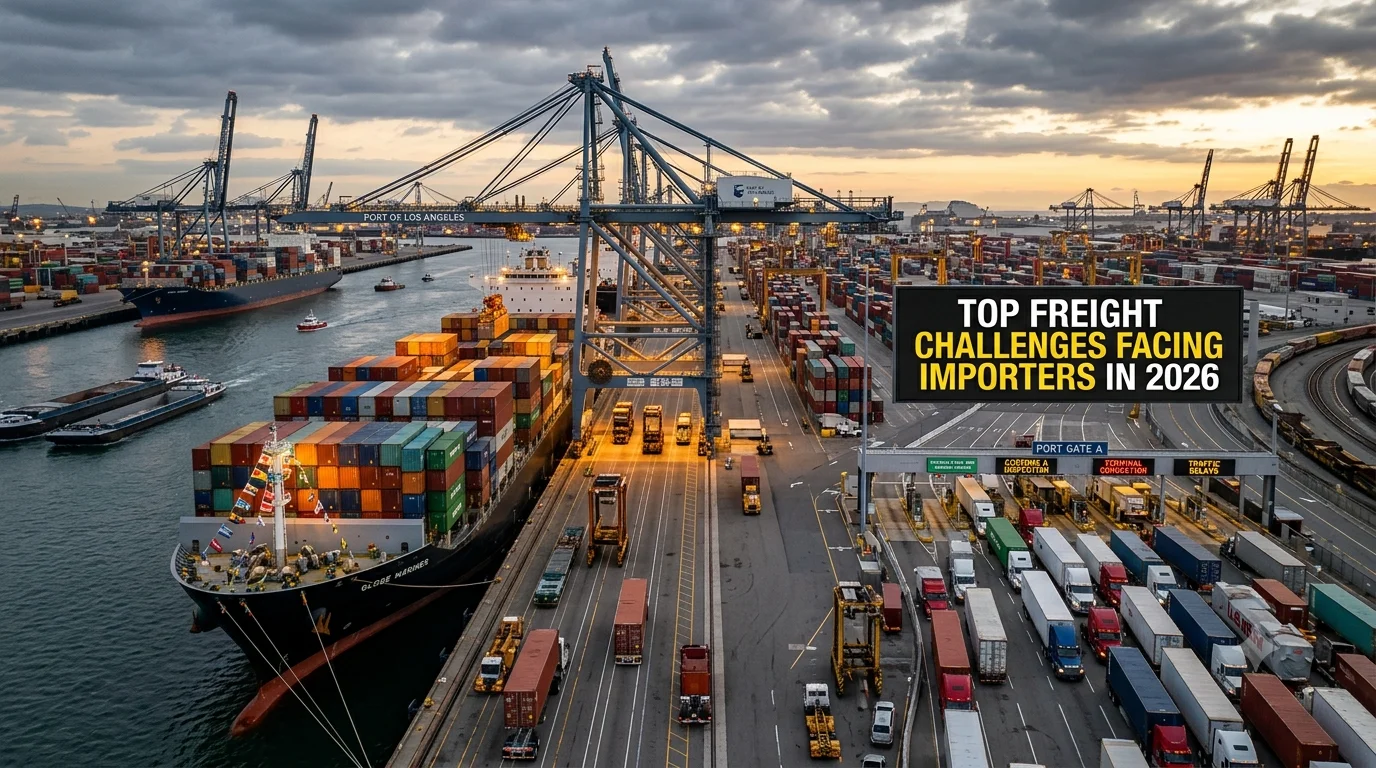
Global trade continues to evolve rapidly, and importers in 2026 are facing a new set of freight and supply chain challenges. From fluctuating shipping rates and container shortages to customs compliance and geopolitical disruptions, businesses must adapt quickly to remain competitive. Understanding these freight challenges can help importers reduce costs, avoid delays, and maintain reliable supply chains.
At Falcon Global Logistics, we work closely with importers across multiple industries to navigate changing market conditions. This guide explores the biggest freight challenges facing importers in 2026 and practical strategies to overcome them.
1. Ongoing Container Availability Issues
Despite improvements compared to previous years, container imbalances continue to affect major trade lanes. Demand surges, equipment shortages, and port congestion can still create delays and increase transportation costs.
Importers sourcing products from Asia should closely monitor market conditions and book shipments earlier than usual. Businesses can learn more about current market dynamics in our guide on Global Container Shortage 2026: What Importers Should Expect.
2. Volatile Ocean Freight Rates
Ocean freight rates remain unpredictable due to capacity adjustments, seasonal demand spikes, fuel prices, and geopolitical events. Importers who rely solely on spot rates may experience unexpected cost increases.
Long-term carrier agreements, diversified shipping routes, and proactive planning can help stabilize transportation budgets. For deeper insights, read our article on Ocean Freight Rate Trends: What Importers and Exporters Need to Know.
3. Red Sea and Suez Canal Disruptions
One of the most significant freight challenges in 2026 remains route instability around the Red Sea region. Many carriers continue to adjust schedules, reroute vessels, or implement surcharges that impact transit times and overall shipping costs.
Businesses importing goods into Pakistan should evaluate alternative routing options and maintain safety stock levels when necessary.
Related resources:
- How the Red Sea Crisis Is Affecting Pakistan Importers in 2026
- Suez Canal vs Cape Route: Shipping Cost Impact Explained
4. Increasing Customs Compliance Requirements
Governments worldwide are strengthening customs regulations, digital documentation requirements, and cargo security measures. Importers who fail to meet compliance standards risk delays, inspections, penalties, and shipment holds.
Working with experienced customs brokers and freight forwarders can significantly reduce compliance risks. Learn more in our article on Customs Clearance 2026: New Regulations for Pakistan Importers.
5. Rising Logistics and Supply Chain Costs
Transportation expenses, warehousing charges, fuel surcharges, labor costs, and insurance premiums continue to increase across global markets. Importers are under pressure to improve efficiency while maintaining service quality.
Companies that leverage supply chain optimization, shipment consolidation, and inventory planning can better manage overall logistics expenses.
Recommended reading:
- How to Reduce Supply Chain Costs Without Sacrificing Reliability
- Warehousing & Inventory Management Best Practices for 2026
6. Balancing Speed and Cost
Importers frequently face difficult decisions between faster air freight and more economical ocean freight solutions. Product value, customer expectations, and market conditions all influence transportation choices.
Businesses should evaluate total landed cost rather than transportation expense alone when selecting shipping methods.
Compare transportation options in our article: Air Cargo vs Ocean Freight: Speed vs Cost Analysis 2026.
7. Sustainability Expectations and Carbon Reduction
Environmental regulations and customer expectations are driving demand for greener logistics solutions. Importers increasingly seek carriers and logistics providers that can help reduce carbon emissions while maintaining operational efficiency.
Supply chain sustainability is no longer optional—it has become a competitive advantage.
Learn how businesses are reducing environmental impact through Reducing Carbon Footprint in Freight Forwarding.
8. Supply Chain Resilience and Digital Transformation
Modern importers require greater visibility, automation, and real-time shipment tracking. Digital supply chains improve forecasting, reduce disruptions, and enhance decision-making.
Companies investing in logistics technology are better positioned to respond to unexpected market changes and transportation disruptions.
Read more about industry transformation in The Future of Global Logistics: Digitalization and Resilience in 2026.
China-to-Pakistan Trade Challenges and Opportunities
China remains one of Pakistan's most important trading partners. However, changing trade policies, freight capacity constraints, and customs procedures continue to impact import timelines.
Businesses importing from China should stay informed about emerging trends and transportation strategies. Explore our detailed guide on China-to-Pakistan Shipping Trends After New Trade Policies.
How Falcon Global Logistics Helps Importers Overcome These Challenges
At Falcon Global Logistics, we provide customized freight forwarding and supply chain solutions designed to help businesses navigate complex global trade environments.
- Sea Freight Services
- Air Freight Solutions
- Customs Clearing & Forwarding
- Import & Export Consultancy
Whether you're managing containerized cargo, urgent air shipments, project cargo, or customs clearance requirements, our experienced logistics professionals are ready to support your business growth.
For specialized cargo handling, review our Heavy Lift Project Cargo Case Study.
Final Thoughts
The freight industry in 2026 presents both risks and opportunities for importers. Success depends on proactive planning, supply chain visibility, compliance readiness, and strategic logistics partnerships.
Businesses that stay informed and adapt quickly will be better equipped to manage costs, minimize disruptions, and maintain a competitive edge in global markets.
Need expert logistics support? Contact Falcon Global Logistics today to discuss your freight forwarding, customs clearance, and international shipping requirements.