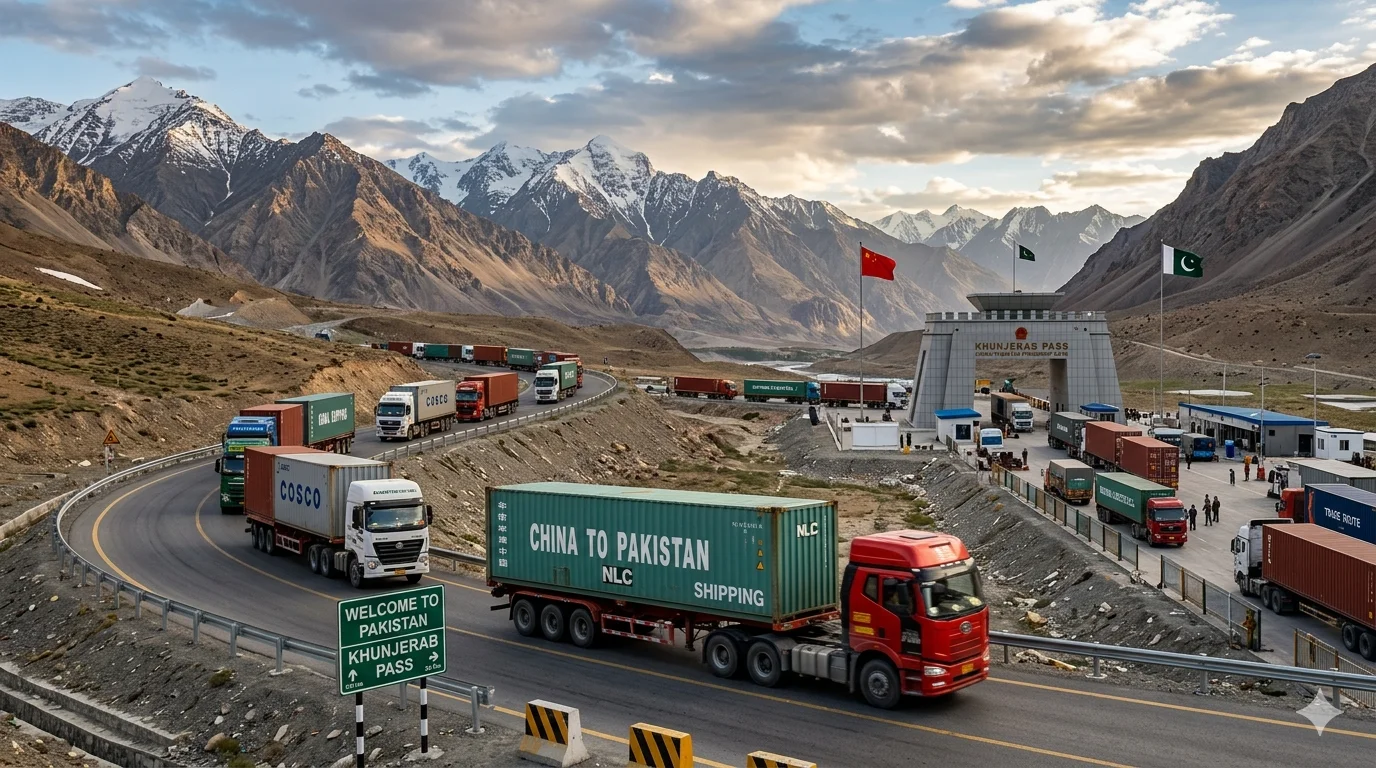
China-Pakistan trade is growing fast in 2026 as new policies, customs modernization, and supply chain shifts reshape cargo movement across Asia. Importers and exporters are closely monitoring freight rates, customs requirements, and transit times to maintain competitiveness.
As one of the leading logistics providers in Pakistan, Falcon Global Logistics helps businesses navigate these changes through reliable ocean freight, air freight, customs clearance, and end-to-end supply chain solutions.
How New Trade Policies Are Impacting China-Pakistan Shipping
Recent trade facilitation measures have streamlined cargo movement between Chinese manufacturing hubs and Pakistani ports. Improved digital customs systems, enhanced documentation procedures, and stronger regional trade cooperation are helping reduce delays and increase supply chain visibility.
Businesses that stay informed about regulatory updates can avoid costly disruptions and benefit from faster cargo processing. Importers should also monitor developments outlined in our guide on Customs Clearance 2026: New Regulations for Pakistan Importers.
Increasing Demand for Ocean Freight Services
Ocean freight remains the preferred shipping method for bulk cargo moving from China to Pakistan due to its cost-effectiveness. Major Chinese ports such as Shanghai, Ningbo, Shenzhen, Qingdao, and Guangzhou continue to handle significant export volumes destined for Karachi and Port Qasim.
While shipping demand remains strong, market conditions can fluctuate because of vessel availability, seasonal demand, and container supply. Businesses should regularly review current freight trends, including insights from our article: Ocean Freight Rate Trends: What Importers and Exporters Need to Know.
Container Availability and Supply Chain Stability
Although global container availability has improved compared to previous years, periodic shortages still occur during high-demand periods. Companies importing electronics, machinery, textiles, and industrial equipment from China should plan inventory requirements in advance.
Businesses concerned about equipment shortages should also read: Global Container Shortage 2026: What Importers Should Expect.
Air Freight Growth for Time-Sensitive Cargo
The rise of e-commerce, technology products, and urgent industrial shipments has increased demand for air freight between China and Pakistan. While air cargo costs remain higher than sea freight, the speed advantage is critical for businesses operating under tight deadlines.
Companies evaluating transportation options can compare both modes in our detailed analysis: Air Cargo vs Ocean Freight: Speed vs Cost Analysis 2026.
Impact of Red Sea and Global Trade Route Disruptions
Global shipping routes continue to experience pressure from geopolitical events and route adjustments. The Red Sea situation has forced some carriers to explore alternative routes, affecting transit times and transportation costs.
Learn more about these developments in: How the Red Sea Crisis Is Affecting Pakistan Importers in 2026 and Suez Canal vs Cape Route: Shipping Cost Impact Explained.
Warehousing and Inventory Planning Become More Important
Importers are increasingly investing in inventory planning and warehousing solutions to reduce supply chain risks. Maintaining strategic stock levels helps businesses avoid disruptions caused by shipping delays and market fluctuations.
Explore best practices in: Warehousing & Inventory Management Best Practices for 2026.
Sustainability and Green Logistics Initiatives
Environmental regulations continue influencing international freight operations. Many importers now prefer logistics providers that support fuel-efficient shipping routes and carbon reduction initiatives.
Discover how sustainable logistics is shaping the future: Reducing Carbon Footprint in Freight Forwarding.
Strategies for Pakistan Importers in 2026
- Book shipments early during peak seasons.
- Diversify sourcing and transportation options.
- Stay updated on customs and trade regulations.
- Use digital shipment tracking tools.
- Optimize inventory and warehousing operations.
- Partner with experienced freight forwarders.
Businesses looking to improve logistics efficiency can also benefit from our guide: How to Reduce Supply Chain Costs Without Sacrificing Reliability.
Why Choose Falcon Global Logistics?
Falcon Global Logistics provides comprehensive shipping solutions for businesses importing and exporting between China and Pakistan. Our services include:
- Sea Freight Services
- Air Freight Solutions
- Customs Clearance & Forwarding
- Import & Export Consultancy
- Project Cargo and Specialized Logistics Handling
For specialized cargo movement, read our case study: Handling Heavy Lift Project Cargo: Case Study from Falcon Global.
Conclusion
China-to-Pakistan trade remains a vital economic corridor in 2026. Businesses that adapt to changing trade policies, monitor freight market developments, and implement strategic logistics planning will gain a competitive advantage. Whether you require ocean freight, air cargo, customs clearance, or integrated supply chain solutions, Falcon Global Logistics is committed to delivering reliable, cost-effective, and efficient logistics services.
Need expert shipping support? Contact Falcon Global Logistics today for customized freight solutions.