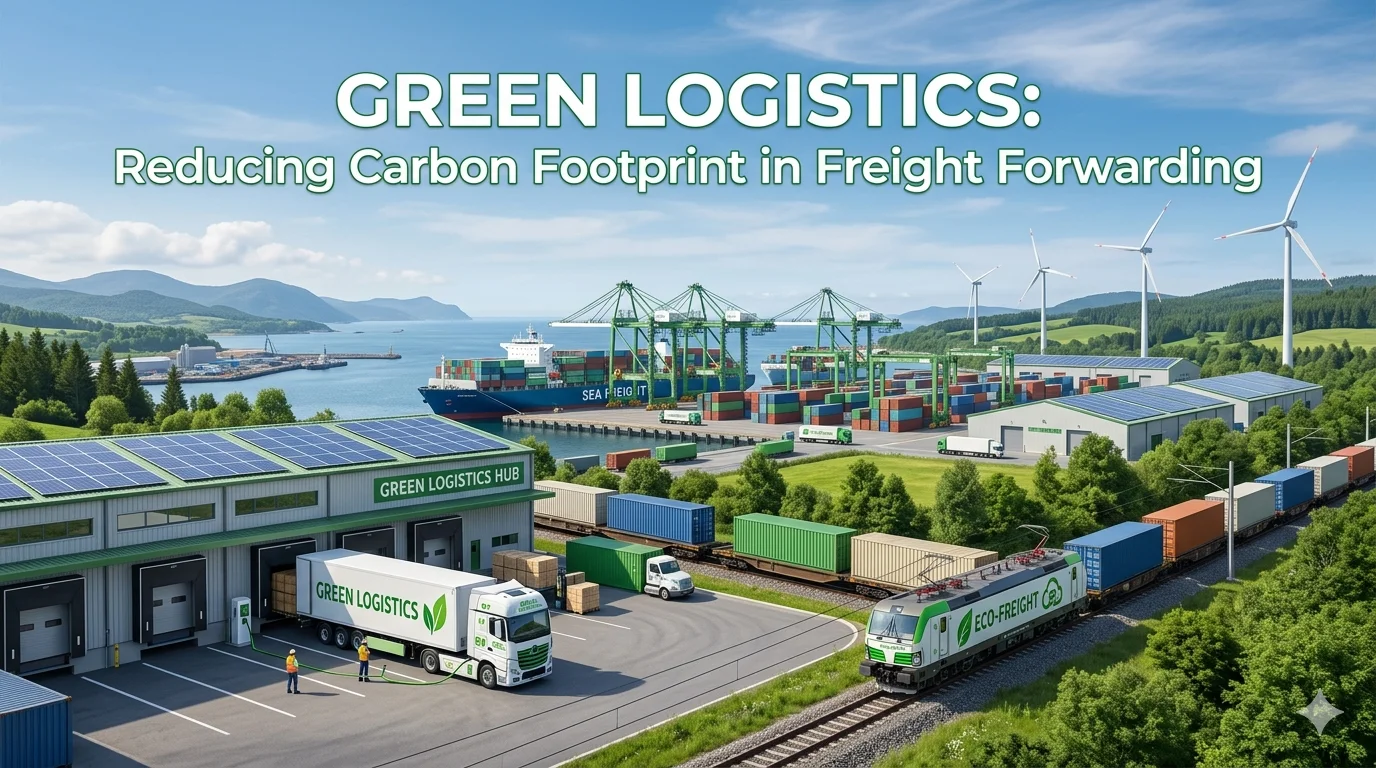
Sustainability is no longer just a trend in global logistics — it has become a business necessity. As environmental regulations tighten and customers demand greener supply chains, freight forwarders and import/export companies are actively searching for ways to reduce emissions while maintaining operational efficiency.
In 2026, reducing carbon footprint in freight forwarding is one of the biggest priorities for logistics providers worldwide. From cleaner transportation methods to digital supply chain optimization, companies are investing in sustainable freight solutions that lower emissions without sacrificing delivery performance.
At Falcon Global Logistics, we help businesses adopt smarter and greener logistics strategies across ocean freight, air cargo, customs clearance, and multimodal transportation.
1. Optimizing Transportation Routes with Smart Logistics
One of the most effective ways to reduce logistics emissions is route optimization. Advanced AI-powered planning systems now help freight forwarders minimize unnecessary mileage, avoid congested ports, and improve fuel efficiency.
Smart route planning not only reduces fuel consumption but also lowers operational costs for shippers. Businesses looking to balance sustainability and profitability can also explore our guide on reducing supply chain costs without sacrificing reliability .
2. Choosing Ocean Freight Over Air Cargo When Possible
Air freight remains essential for urgent and high-value shipments, but it produces significantly higher carbon emissions compared to ocean freight. Many importers and exporters are now shifting non-urgent cargo toward sea freight to support sustainability goals.
Understanding the balance between speed and environmental impact is critical. Learn more in our detailed comparison: Air Cargo vs Ocean Freight: Speed vs Cost Analysis 2026 .
3. Sustainable Ocean Freight & Green Shipping Initiatives
The shipping industry is rapidly adopting cleaner technologies, including low-sulfur fuels, LNG-powered vessels, and slow steaming practices. Major carriers are also investing in carbon-neutral shipping programs to meet international environmental targets.
Businesses involved in international trade should stay informed about changing market conditions and environmental trends. Our article on Ocean Freight Rate Trends explains how global shipping changes are impacting freight costs and sustainability planning.
Companies using our Sea Freight Services benefit from optimized shipping schedules, efficient cargo consolidation, and reliable carrier partnerships designed to improve both performance and environmental responsibility.
4. Digitalization Reduces Waste & Improves Efficiency
Digital transformation is playing a major role in sustainable logistics. Electronic documentation, automated customs processing, and real-time shipment visibility reduce paperwork, delays, and unnecessary operational inefficiencies.
Modern freight forwarding depends heavily on digital infrastructure. Discover how the logistics industry is evolving in our article: The Future of Global Logistics: Digitalization and Resilience in 2026 .
5. Eco-Friendly Warehousing & Cargo Handling
Sustainability extends beyond transportation. Warehouses and logistics facilities are increasingly adopting energy-efficient lighting, solar power systems, electric forklifts, and environmentally friendly packaging solutions.
Specialized cargo operations also require careful environmental planning. See how large-scale logistics projects are managed efficiently in our Heavy Lift Project Cargo Case Study .
6. Customs Compliance & Green Trade Regulations
Governments and customs authorities worldwide are introducing stricter environmental compliance requirements. Importers and exporters must ensure proper documentation, emissions reporting, and adherence to updated international trade standards.
Our experienced Clearing & Forwarding Team helps businesses navigate changing customs regulations while minimizing shipment delays and compliance risks.
Pakistan-based traders can also review our latest update on Customs Clearance 2026 Regulations .
7. Sustainable Air Freight Solutions
Although air cargo has a larger environmental footprint, innovative solutions such as sustainable aviation fuel (SAF), optimized cargo loads, and direct flight planning are helping reduce emissions across the aviation sector.
Our Air Freight Services are designed to provide faster transit while maintaining operational efficiency and supporting environmentally responsible logistics practices.
Building a Greener Future for Global Logistics
Sustainability in freight forwarding is no longer optional. Businesses that invest in greener logistics strategies today will gain long-term advantages through lower operational costs, stronger compliance, and improved customer trust.
At Falcon Global Logistics, we remain committed to helping clients build resilient and environmentally responsible supply chains through innovative freight forwarding solutions, smarter transportation planning, and efficient customs support.
Whether you need support with import/export operations , ocean freight, air cargo, or customs clearance, our team is ready to help you move cargo efficiently while reducing environmental impact.
Explore more industry insights on our Logistics Blog or contact our team for customized freight forwarding solutions.