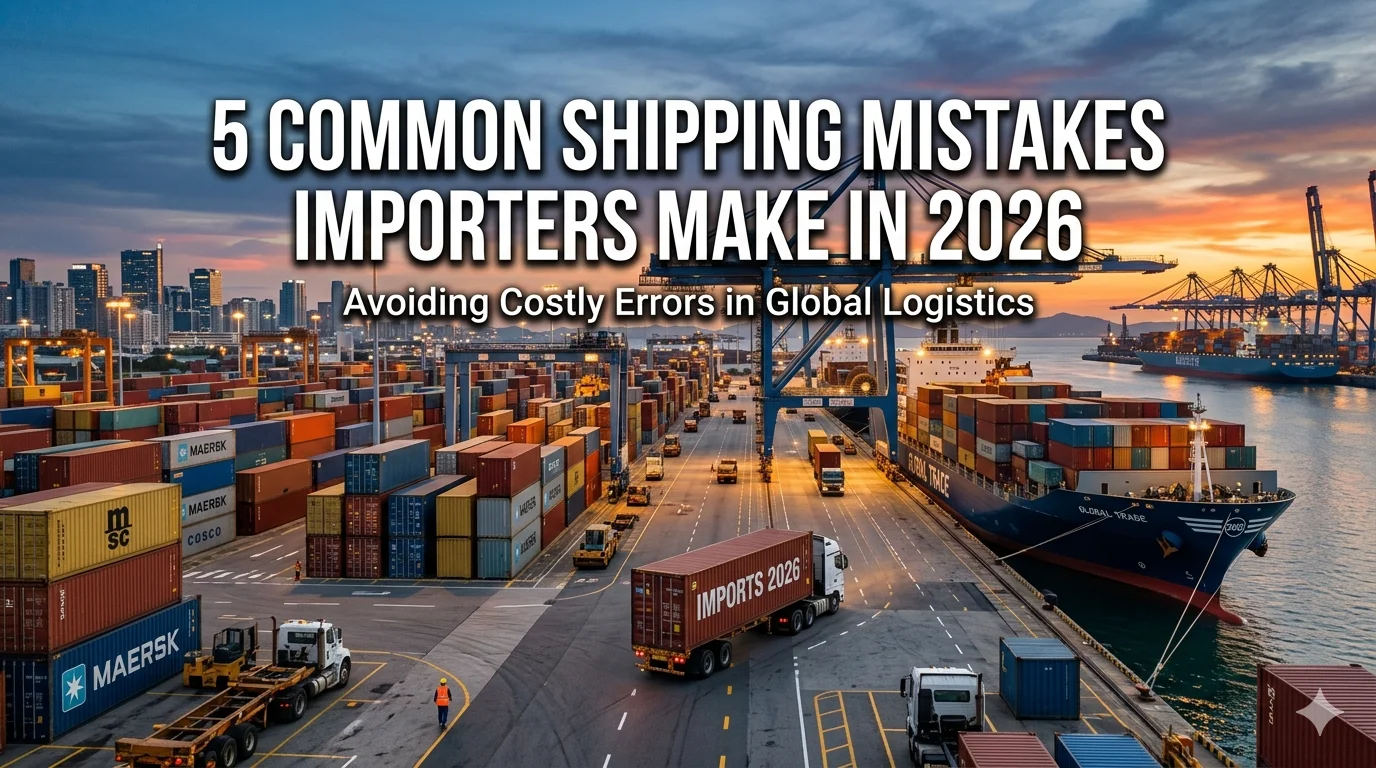
Global trade continues to evolve rapidly in 2026. Rising freight costs, changing customs regulations, geopolitical disruptions, and digital compliance requirements have made international shipping more complex than ever. Yet many importers continue to make costly mistakes that result in delays, penalties, cargo damage, and unnecessary logistics expenses.
Whether you are sourcing products from China, the UAE, Europe, or other international markets, avoiding these common shipping errors can significantly improve supply chain efficiency. At Falcon Global Logistics, we help businesses optimize freight operations and reduce risks throughout the shipping process.
1. Choosing Freight Based Only on Price
One of the biggest mistakes importers make is selecting freight services solely based on the lowest quoted rate. While cost savings are important, the cheapest option often comes with hidden expenses such as longer transit times, limited tracking, additional handling fees, or unreliable service.
Smart importers evaluate total logistics costs rather than focusing only on freight rates. Understanding current market conditions is essential. Read our detailed guide on Ocean Freight Rate Trends to better understand pricing factors affecting global shipping.
2. Ignoring Customs Compliance Requirements
Customs regulations are becoming increasingly digital and data-driven. Incorrect HS codes, incomplete documentation, undervaluation of goods, or failure to meet regulatory requirements can result in shipment holds, fines, and clearance delays.
Pakistan importers should stay updated with the latest customs requirements and compliance procedures. Learn more in our article on Customs Clearance 2026: New Regulations for Pakistan Importers.
3. Failing to Plan for Supply Chain Disruptions
Global logistics remains vulnerable to port congestion, geopolitical tensions, weather events, and vessel schedule changes. Importers who rely on a single route or supplier often face costly disruptions when unexpected events occur.
Recent challenges such as the Red Sea shipping disruptions and routing decisions between the Suez Canal and Cape Route highlight the importance of contingency planning.
4. Using the Wrong Freight Mode
Many importers automatically choose ocean freight without evaluating whether air freight could provide greater value. In some cases, faster delivery can reduce inventory costs, prevent stock shortages, and improve customer satisfaction.
Understanding the advantages and limitations of each transport mode is critical. Compare options in our guide: Air Cargo vs Ocean Freight: Speed vs Cost Analysis.
Businesses importing from Asia should also monitor changing trade patterns through our analysis of China to Pakistan Shipping Trends.
5. Poor Inventory and Warehouse Planning
Shipping efficiency does not end when cargo arrives at the destination port. Many importers underestimate the importance of warehousing, inventory forecasting, and distribution planning.
Inadequate inventory management often leads to excess storage costs, stockouts, and delayed order fulfillment. Implementing modern warehouse strategies can improve operational efficiency and reduce logistics expenses.
Explore our recommendations on Warehousing & Inventory Management Best Practices for 2026.
How Importers Can Avoid These Mistakes
Successful importers focus on proactive logistics planning, reliable freight partners, accurate documentation, and data-driven decision-making. Businesses should regularly review shipping routes, carrier performance, customs compliance procedures, and inventory management practices.
Companies looking to improve logistics efficiency can also benefit from learning about reducing supply chain costs without sacrificing reliability and the future of digital logistics and supply chain resilience.
Why Partner with Falcon Global Logistics?
At Falcon Global Logistics, we provide comprehensive freight forwarding, customs clearance, warehousing, and supply chain solutions tailored to modern business requirements.
- Ocean Freight Services
- Air Freight Solutions
- Customs Clearing & Forwarding
- Import & Export Consultancy
Whether you are shipping full container loads, LCL cargo, project shipments, or urgent air freight, our experienced team helps ensure smooth, compliant, and cost-effective logistics operations.
Conclusion
The logistics environment in 2026 demands greater attention to planning, compliance, and risk management. By avoiding these five common shipping mistakes, importers can reduce costs, improve delivery performance, and strengthen their supply chains.
Need expert guidance for your next shipment? Visit our Contact Page and speak with our logistics specialists today.