
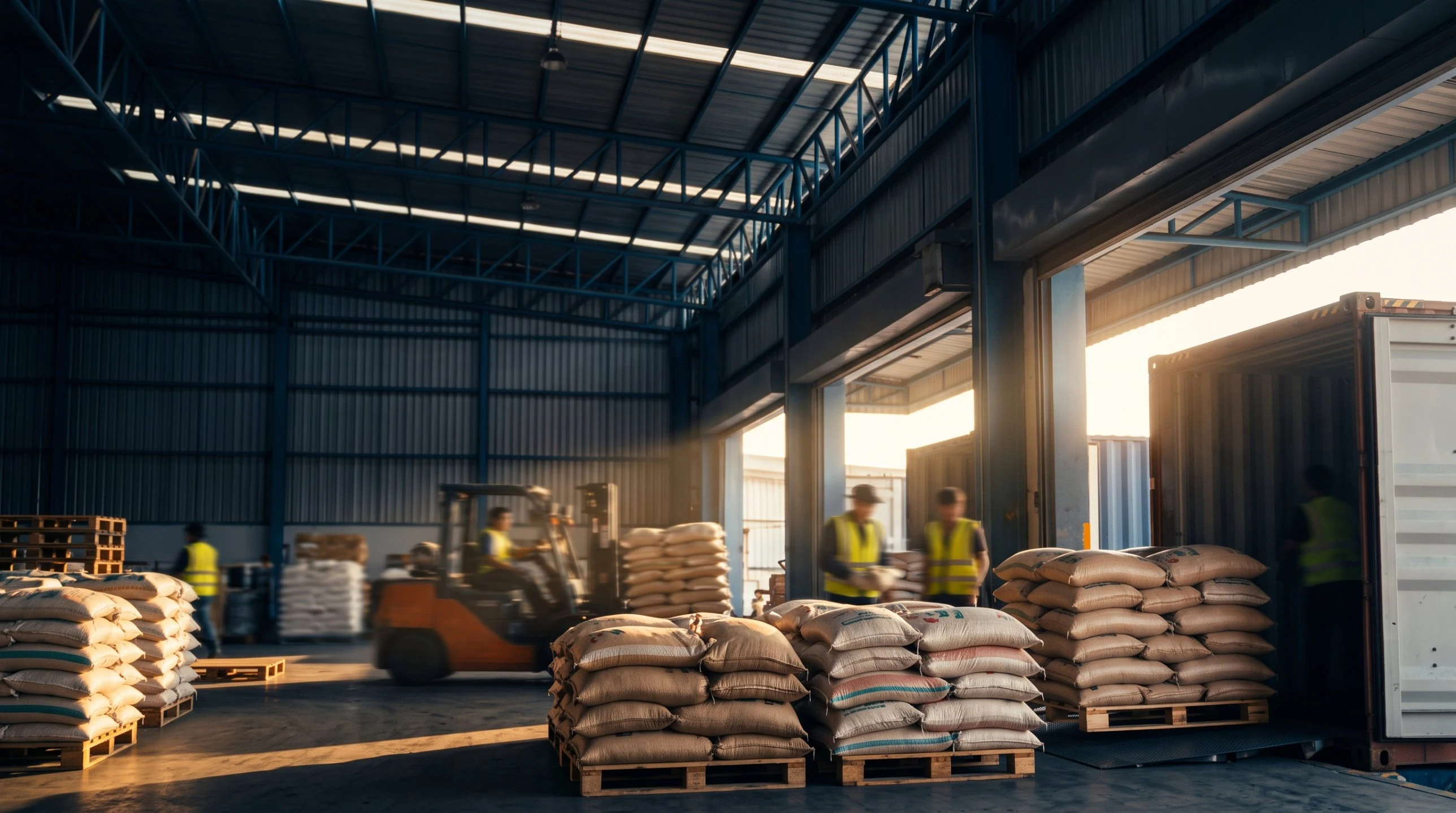
We reported in early October that Pakistan's rice exports were up 24.68% year-on-year for the first two months of FY27, with basmati value up over 53%. That's still true, and it's still good news. But a longer view published this week by industry analysis in Business Recorder puts that rebound in a much harder context: Pakistan's rice exports fell from a record 6 million tons worth $3.89 billion in FY2024 to roughly 4.3 million tons worth $2.3 billion in FY2026, while India shipped a record 21.57 million tons worth $11.53 billion over the same stretch. A short-term monthly bounce and a two-year structural decline against intensifying Indian competition can both be true at once — and for exporters and freight partners, understanding both halves of the story matters more than celebrating just one of them.
The Longer Decline Behind the Recent Rebound
The scale of the gap with India is the headline number worth sitting with: India's 21.57 million tons dwarfs Pakistan's 4.3 million, and the value gap is even starker at roughly 5-to-1. Part of that gap comes down to price — industry sources cited in the analysis put Indian Basmati at roughly $250 per ton cheaper than Pakistan's, a persistent competitiveness problem that a single strong month of export data doesn't resolve.
The government's response was the Drawback of Local Taxes and Levies (DLTL) scheme: Rs15 billion allocated, with a 9% subsidy on Basmati and 3% on non-Basmati rice initially, later extended through September 30, 2026 with non-Basmati support raised to 5%. Exporters reportedly promised an additional $1–1.5 billion in exports by June 2026 in exchange for the support. Exports kept falling anyway through most of that window, and the analysis raises a further concern: declared Basmati export prices reportedly rose after DLTL was introduced, and Pakistan Customs found discrepancies in some rice consignments — a pattern consistent with over-invoicing to maximize a subsidy tied to declared value.
The Freight Shock Nobody's Pricing In
The part of this story most directly relevant to freight planning is the one that gets the least attention in trade-policy discussions: shipping costs on key rice export routes spiked dramatically this year. Disruption around the Strait of Hormuz pushed freight, insurance, and routing costs sharply higher on Gulf-bound lanes. According to the analysis, the cost of shipping a 20-foot container from Pakistani and Indian ports to Jeddah rose from roughly $500 to as much as $3,500 — a near sevenfold spike — before easing back to around $2,300. Rates to Jebel Ali reportedly stayed elevated as well.
This is a shock that hits every exporter shipping through these lanes, Pakistani and Indian alike, which is an important point the industry analysis makes: the freight cost increase doesn't by itself explain why Pakistan is losing share to India, since both countries' exporters face the same elevated rates. But it does mean that even a successful volume rebound in rice exports is happening against a backdrop of dramatically higher logistics costs eating into exporter margins on Gulf routes specifically — the same disruption and rerouting dynamic we've been tracking in our coverage of the WTO's trade outlook and carrier service changes out of Karachi.
| Metric | FY2024 | FY2026 |
|---|---|---|
| Pakistan Rice Exports (Volume) | 6 million tons (record) | ~4.3 million tons |
| Pakistan Rice Exports (Value) | $3.89 billion | ~$2.3 billion |
| India Rice Exports (Volume) | — | 21.57 million tons (record) |
| Freight, Pakistan/India Ports → Jeddah (20ft) | ~$500 (baseline) | Spiked to ~$3,500, eased to ~$2,300 |
What This Means for Exporters and Freight Partners Right Now
- Don't read the early-FY27 growth figures in isolation — treat the two-month rebound as encouraging but provisional against a backdrop of a two-year decline and a widening gap with India.
- Reprice Gulf-bound shipments using current freight data, not historical rates — the Jeddah route's near sevenfold cost spike, even after easing, fundamentally changes landed-cost math for rice and other bulk exports on that lane.
- Watch the DLTL subsidy's sunset date closely — the scheme's extension through September 30, 2026 has already passed, and any further extension or redesign will directly affect export economics for Basmati and non-Basmati shippers alike.
- Diversify routing where possible rather than relying solely on the most disruption-exposed Gulf lanes, given that both Jeddah and Jebel Ali rates have been affected by the same regional disruption.
Our ocean freight team tracks current container rates on Gulf and Middle East lanes closely, and can help rice and other bulk exporters get accurate, up-to-date freight quotes rather than working from outdated assumptions.
Conclusion: Two True Stories, Not One
Pakistan's rice export story right now isn't a simple boom or a simple bust — it's both, depending on which window you look through. The early-FY27 numbers are a genuine, welcome rebound. The multi-year trend against India, the subsidy program's uneven results, and a freight cost shock on key Gulf routes are equally real and arguably more consequential for where the sector is headed over the next year. Exporters and the freight partners who move their cargo are better served by holding both pictures at once than by picking whichever one makes for a better headline.
At Falcon Global Logistics, we help agri-exporters navigate exactly this kind of shifting cost and competitive landscape. Contact us today for current freight rates on your Gulf-bound shipments.