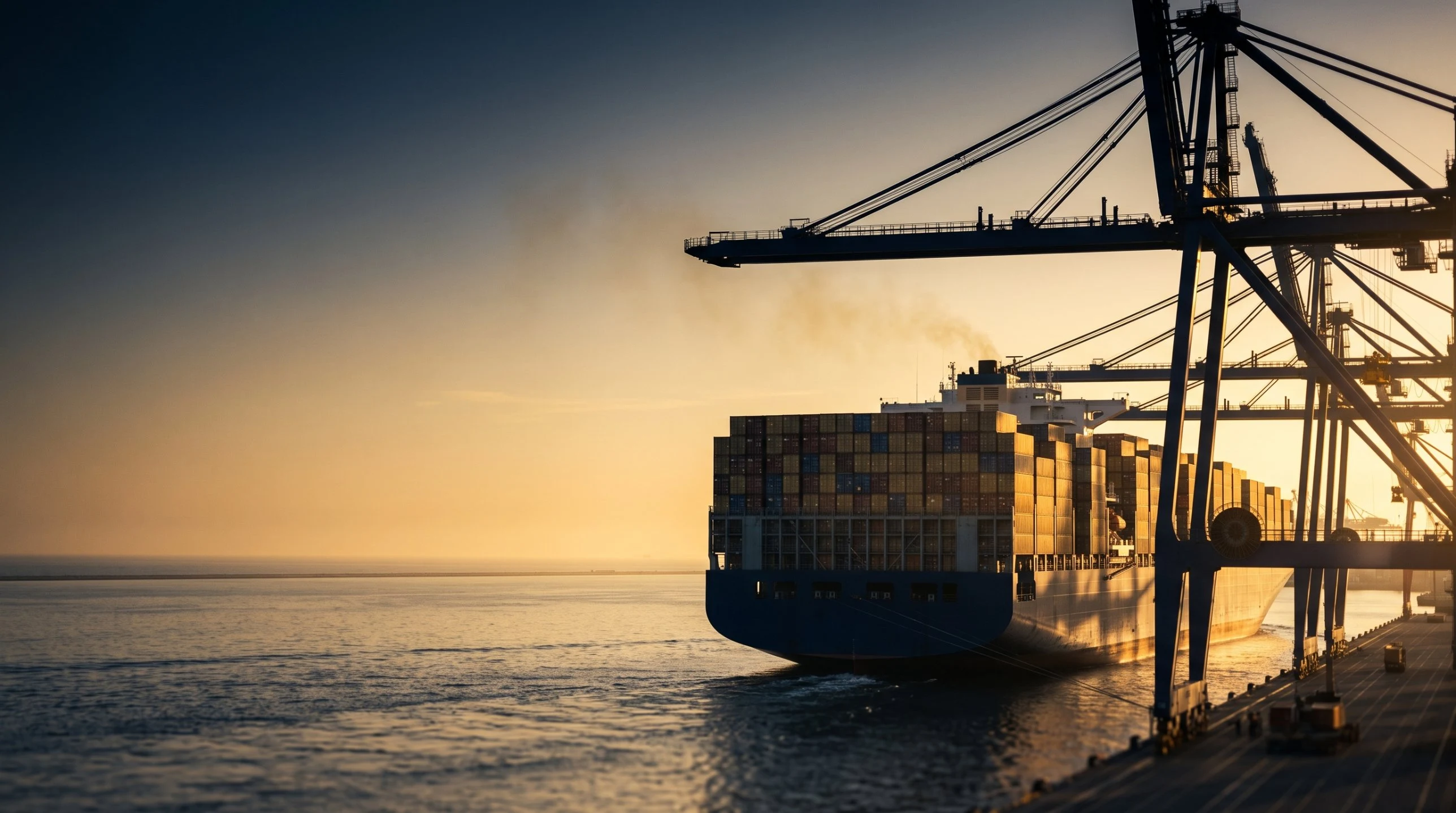
Mediterranean Shipping Company announced on October 8, 2026 that it has reinstated PREMIUM IPAK, a dedicated direct Europe service, with weekly calls at Karachi Gateway Terminal International (KGTI). Federal Minister for Maritime Affairs Muhammad Junaid Anwar Chaudhry confirmed the move, noting plainly that "previously we had no transshipment service from Karachi Port." The restored service connects Karachi directly, via Colombo, to Felixstowe, Rotterdam, Hamburg, Bremerhaven, Antwerp, Le Havre, and London Gateway — seven major European gateway ports in one rotation.
Why This Service Disappeared, and Why It's Back
The minister linked Karachi's shipping difficulties to the broader disruption of global routes tied to the Red Sea situation, which has forced carriers to reroute vessels around the Cape of Good Hope on many Asia–Europe lanes rather than through the Suez Canal. Longer voyages mean higher bunker costs, more vessel-days per round trip, and tighter capacity on the direct connections exporters depend on. According to the announcement, it was exporter demand specifically that pushed MSC to restore the dedicated Europe service, after longer transit times and the resulting cost pressure had been eating into the competitiveness of Pakistani exports — the minister singled out the textile sector as particularly affected.
A Customs Clearance Push Alongside the New Service
The shipping announcement came paired with a separate but related push from Karachi Port Trust. KPT's chairman proposed a set of clearance reforms aimed at cutting dwell time at the port: standardized 24/7 electronic delivery orders, risk-based cargo inspections, non-intrusive scanning, joint inspections between agencies, and common sampling procedures to avoid repeat testing of the same shipment. Terminal operators reportedly said they're ready to support night inspections, and Pakistan Customs was asked to back round-the-clock clearance operations.
Pairing a faster, more direct sailing schedule with faster clearance on the ground is the more complete fix — a direct vessel call doesn't help much if cargo still sits for days waiting on inspection and documentation before it can even be loaded or released. Repeat sampling and inspection in particular has long been a quiet source of delay at Karachi: the same shipment can be checked more than once by different agencies without a shared record of what was already verified, adding days to clearance timelines that have nothing to do with vessel schedules. If the common-sampling proposal moves from suggestion to standard procedure, it would address a cost that rarely shows up on a freight invoice but shows up everywhere else — in missed vessel cut-offs, demurrage, and buyers asking why a confirmed sailing date slipped.
| Change | What It Addresses | What Exporters Should Expect |
|---|---|---|
| MSC PREMIUM IPAK restored | Loss of direct Karachi–Europe transshipment service | Weekly direct calls at KGTI to 7 major European ports via Colombo |
| KPT clearance reform proposals | Port dwell time and repeat inspection delays | Faster electronic delivery orders, risk-based and night inspections, if implemented |
| Red Sea rerouting (unchanged) | N/A — not resolved by this announcement | Longer base transit times and route-related cost pressure persist |
What This Means for Exporters and Freight Partners Right Now
- A direct Europe service means fewer transshipment legs, which typically translates into more predictable transit times and fewer opportunities for cargo to be delayed or misrouted at an intermediate hub.
- Exporters shipping to the UK and Northwest Europe should ask their forwarders specifically about PREMIUM IPAK routing rather than defaulting to whatever transshipment option was booked previously — a direct service is only useful if it's actually booked.
- The KPT clearance reforms are proposals, not yet confirmed operational changes — exporters should keep documentation and inspection readiness tight in the near term rather than assuming faster clearance is already in effect.
- Textile exporters in particular should revisit shipment scheduling given the minister's specific mention of the sector's exposure to the cost pressure this service aims to ease.
Our ocean freight team tracks carrier service changes like this one closely and can help you confirm whether a shipment qualifies for direct Europe routing versus a transshipment option, and our clearing and forwarding specialists stay current on KPT procedural changes as they move from proposal to practice.
Conclusion: A Real Improvement, With a Caveat Worth Remembering
A restored direct Europe service from Karachi is a genuine, concrete improvement for exporters who have spent the past year absorbing the cost and scheduling consequences of Red Sea rerouting. It's worth treating it as exactly that — a real improvement — without assuming it fully reverses the broader disruption the minister himself acknowledged is still in place. The practical move for exporters is to actively book onto the restored service where it fits their routing, push forwarders for specifics on the KPT clearance proposals as they develop, and keep planning shipments with the Red Sea situation's cost and transit-time realities still in mind.
At Falcon Global Logistics, we help exporters route shipments through the fastest, most reliable options available as carrier services evolve. Contact us today to discuss routing your Europe-bound shipments through the restored direct service.